
Estimating Costs for House Painting Projects: Your Painting Cost Estimator Guide

When it comes to refreshing your home’s look, painting is one of the most effective ways to transform your space. But before you pick up a brush or call in the professionals, understanding how to estimate the costs involved is crucial. I’m here to walk you through the essentials of estimating costs for house painting projects, helping you plan your budget with confidence and clarity.
Painting your home is an investment in both aesthetics and protection. Whether you’re updating a single room or tackling the entire exterior, knowing what influences the price will help you make informed decisions. Let’s dive into the details and explore how you can become your own painting cost estimator.
Understanding the Basics of a Painting Cost Estimator
A painting cost estimator is a tool or method that helps you calculate the expected expenses for your painting project. It considers various factors such as the size of the area, type of paint, surface preparation, and labour costs. By breaking down these elements, you can get a clearer picture of what your project will cost.
Key Factors That Affect Painting Costs
Surface Area: The larger the area, the more paint and time it will take.
Paint Quality: Premium paints cost more but offer better coverage and durability.
Preparation Work: Repairing cracks, sanding, and priming add to the cost.
Labour: Skilled painters charge based on experience and project complexity.
Location: Costs can vary depending on where you live and local market rates.
For example, painting a 1,000 square foot interior room will cost less than painting the exterior of a large house with multiple stories. Similarly, choosing eco-friendly, high-end paint will increase your budget but provide a longer-lasting finish.
Using a painting cost estimator can help you balance these factors and tailor your project to your budget and expectations.

How to Calculate Your Painting Project Costs
Let’s break down the process step-by-step so you can estimate your painting costs accurately.
1. Measure the Area
Start by measuring the walls, ceilings, or exterior surfaces you want to paint. Multiply the length by the height to get the square footage. Don’t forget to subtract windows and doors, as these won’t require paint.
2. Determine Paint Quantity
Most paint cans specify coverage, usually around 350-400 square feet per gallon. Divide your total square footage by the coverage to find out how many gallons you’ll need. Remember to account for two coats for a professional finish.
3. Choose Your Paint Type
Paint prices vary widely. Standard interior paint might cost £20-£40 per gallon, while premium or specialist paints can be £50 or more. Exterior paints often cost more due to their durability requirements.
4. Factor in Preparation and Repairs
If your walls need patching, sanding, or priming, add these costs. Preparation can take up to 30% of the total project time and budget but is essential for a flawless finish.
5. Labour Costs
Labour is often the largest expense. Professional painters in South West London and Surrey typically charge between £15 and £30 per square metre, depending on the job’s complexity. Always get a detailed quote to understand what’s included.
6. Additional Costs
Don’t forget extras like scaffolding for high walls, protective coverings, and clean-up services. These can add a few hundred pounds to your total.
By following these steps, you can create a detailed estimate that reflects your project’s true cost.
Choosing the Right Paint and Materials
Selecting the right paint is more than just picking a colour. It impacts the durability, appearance, and overall cost of your project.
Types of Paint to Consider
Emulsion Paint: Ideal for interior walls and ceilings. It’s water-based, dries quickly, and is easy to clean.
Gloss Paint: Used for woodwork and metal surfaces. It offers a shiny finish and is highly durable.
Eggshell Paint: A popular choice for walls, offering a soft sheen and good washability.
Exterior Paint: Formulated to withstand weather conditions, it often includes UV protection and mould resistance.
Paint Quality and Cost
Higher-quality paints may cost more upfront but save money in the long run by lasting longer and requiring fewer coats. For example, investing in a premium exterior paint can protect your home’s façade for years, reducing maintenance costs.
Tools and Supplies
Don’t overlook the cost of brushes, rollers, tape, and drop cloths. While these are often one-time purchases, they add to your initial outlay.

Tips for Getting an Accurate House Painting Estimate
Getting a reliable estimate is key to avoiding surprises. Here are some tips to help you get it right:
Get Multiple Quotes: Contact several professional painters to compare prices and services.
Ask for a Detailed Breakdown: Ensure the quote includes labour, materials, preparation, and any extras.
Check References and Reviews: Quality matters. Choose painters with a strong reputation for high-end finishes.
Consider Timing: Prices can fluctuate with demand. Booking in advance might save you money.
Be Clear About Your Expectations: Communicate your colour choices, finish preferences, and any special requirements.
If you want to get a quick house painting estimate, many companies offer online calculators or free consultations to help you plan.
Making Your Painting Project a Success
Estimating costs is just the beginning. To ensure your painting project goes smoothly, consider these final pointers:
Plan for Weather: Exterior painting should be scheduled during dry, mild weather to ensure proper drying.
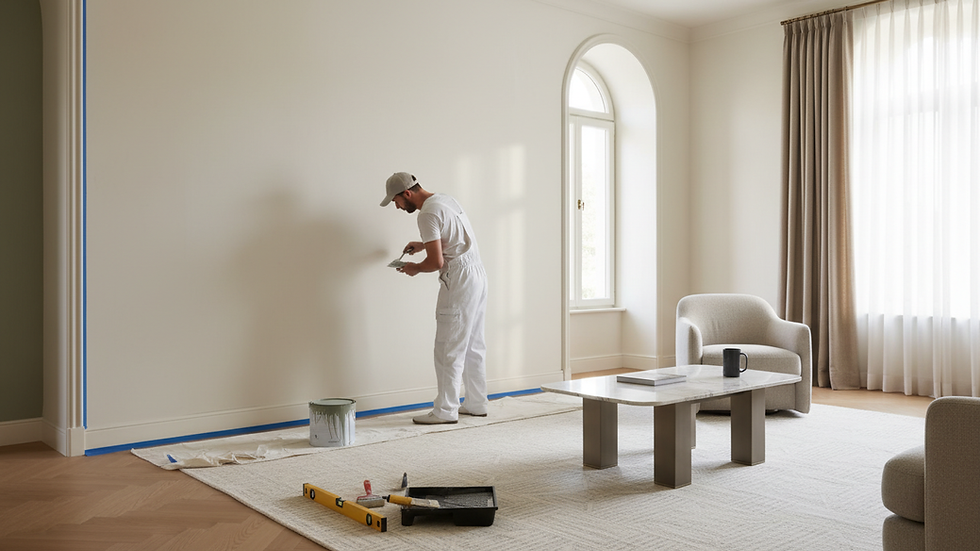
Prepare Your Home: Move furniture, cover floors, and clear walls to make the job easier.
Stay Involved: Regularly check progress and communicate with your painters.
Invest in Quality: Don’t cut corners on materials or labour. The best results come from skilled professionals using top-grade products.
By taking these steps, you’ll enjoy a beautiful, lasting finish that enhances your home’s value and charm.
Painting your home is a rewarding project that can breathe new life into your space. With a clear understanding of costs and careful planning, you can achieve stunning results without stress. Use this painting cost estimator guide as your roadmap, and you’ll be well on your way to a successful transformation.

Comments