
Mastering Interior Painting: Expert Interior Painters’ Insights

Painting your home’s interior is more than just slapping on a fresh coat of colour. It’s about transforming your space, creating an atmosphere that reflects your style and personality. As someone who has spent years working alongside expert interior painters, I want to share practical tips and professional insights that will help you master the art of interior painting. Whether you’re tackling a single room or planning a full home makeover, these guidelines will set you on the right path.
Why Choose Expert Interior Painters for Your Project
When it comes to interior painting, experience matters. Expert interior painters bring a level of precision and knowledge that can make all the difference in the final result. They understand the nuances of different surfaces, the best types of paint for various rooms, and how to prepare your walls to ensure a flawless finish.
For example, did you know that the preparation stage can take up to 70% of the total painting time? Skipping or rushing this step often leads to peeling paint or uneven coverage. Professionals take the time to clean, sand, and prime surfaces properly. This attention to detail guarantees durability and a smooth look.
If you’re considering hiring help, I recommend checking out interior painting contractors who specialise in high-end finishes. They can offer tailored advice and handle the job efficiently, saving you time and stress.

Essential Tools and Materials for a Professional Finish
Having the right tools is half the battle won. You don’t need to buy every gadget on the market, but investing in quality essentials will make your work easier and the results better.
Here’s a list of must-haves:
High-quality brushes and rollers: Choose brushes with synthetic bristles for water-based paints and natural bristles for oil-based paints. Rollers come in different nap lengths; use shorter naps for smooth walls and longer naps for textured surfaces.
Painter’s tape: This helps create clean edges and protects trim or ceilings.
Drop cloths: Protect your floors and furniture from paint splatters.
Putty knife and filler: Fill holes and cracks before painting.
Sandpaper: Smooth out rough patches and old paint.
Primer: Essential for sealing surfaces and improving paint adhesion.
Paint tray and liners: Keep your paint accessible and your workspace tidy.
Remember, using cheap tools can lead to streaks, uneven coverage, and frustration. Take your time selecting your materials, and you’ll notice the difference.
Preparing Your Space Like a Pro
Preparation is the foundation of a successful paint job. It’s tempting to jump straight into painting, but trust me, the prep work pays off.
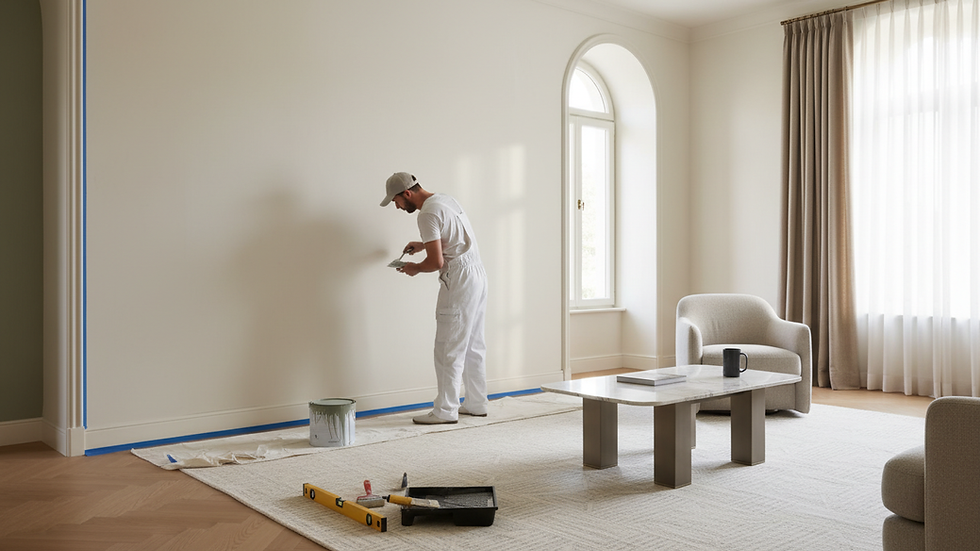
Start by moving furniture away from walls or removing it from the room entirely. Cover what remains with drop cloths. Next, clean the walls with a mild detergent solution to remove dust, grease, and grime. This step is crucial, especially in kitchens and bathrooms where residues build up.
Inspect the walls for imperfections. Use filler to patch holes and cracks, then sand the areas smooth once dry. Don’t forget to remove any loose or peeling paint by scraping gently.
Apply painter’s tape along edges, trim, and ceilings to protect surfaces you don’t want painted. If you’re painting over a dark colour or a glossy finish, apply a primer coat to ensure the new paint adheres well and the colour pops.

Choosing the Right Paint and Colours for Your Home
Selecting paint isn’t just about picking your favourite colour. It’s about understanding how different shades and finishes will interact with your space’s lighting, furniture, and purpose.
Here are some tips to guide your choice:
Consider the room’s function: Use washable, durable paints in high-traffic areas like hallways and kitchens. Bedrooms and living rooms can have softer finishes.
Finish matters: Matte finishes hide imperfections but are less washable. Satin and eggshell finishes offer a nice balance of durability and subtle sheen. Semi-gloss and gloss are great for trim and doors.
Lighting effects: Natural and artificial light can change how a colour looks. Test paint samples on your walls and observe them at different times of day.
Colour psychology: Blues and greens create calm, relaxing environments. Warm tones like reds and yellows energise spaces. Neutrals provide a timeless backdrop that complements most décor.
Don’t rush this step. Paint a few test patches and live with them for a few days before making your final decision.
Techniques to Achieve a Flawless Paint Job
Now that your space is prepped and your paint chosen, it’s time to get painting. Here are some professional techniques to help you achieve a smooth, even finish:
Cut in first: Use a brush to paint along edges, corners, and around trim. This creates a border for the roller.
Use the roller correctly: Load your roller evenly and apply paint in a “W” or “M” pattern. Fill in the gaps without lifting the roller.
Maintain a wet edge: Work in small sections and overlap slightly to avoid lap marks.
Apply multiple thin coats: Thin layers dry faster and look better than one thick coat.
Don’t rush drying times: Follow the manufacturer’s recommendations for drying between coats.
Remove painter’s tape carefully: Pull tape off at a 45-degree angle while the paint is still slightly tacky to avoid peeling.
If you’re feeling unsure, watching a few tutorial videos or consulting with expert interior painters can boost your confidence.
Caring for Your Painted Walls to Keep Them Looking Fresh
Once your painting project is complete, you’ll want to keep your walls looking their best for years to come. Here are some simple maintenance tips:
Clean gently: Use a soft cloth or sponge with mild soap and water. Avoid harsh chemicals that can damage paint.
Touch up promptly: Keep some leftover paint for quick fixes on scuffs or chips.
Control humidity: Excess moisture can cause paint to peel or bubble. Use dehumidifiers or ventilation in damp areas.
Avoid direct sunlight: Prolonged exposure can fade colours. Use curtains or blinds to protect walls.
By following these steps, your freshly painted walls will continue to impress visitors and create a welcoming atmosphere.
Bringing It All Together for a Stunning Transformation
Mastering interior painting is about combining preparation, the right materials, and technique with a bit of patience and care. Whether you’re a DIY enthusiast or prefer to hire professionals, understanding these key elements will help you achieve a beautiful, lasting finish.
If you decide to bring in help, consider working with interior painting contractors who specialise in delivering high-end results in South West London and Surrey. Their expertise can elevate your project and ensure your home looks exactly as you envision.
Remember, painting is not just a task - it’s an opportunity to refresh your living space and express your style. Take your time, enjoy the process, and soon you’ll be admiring the stunning transformation you’ve created.
Happy painting!

Comments