
Protect and Beautify with Exterior House Painting

When it comes to maintaining your home, the exterior is the first thing people notice. A fresh coat of paint does more than just improve curb appeal. It acts as a shield against weather, pests, and wear. I’ve learned that investing in exterior house painting is one of the smartest ways to protect and beautify your property. Let me walk you through why it matters and how you can make the most of it.
Why Exterior House Painting Matters
Painting your home’s exterior is not just about aesthetics. It’s a crucial step in preserving the structure and value of your property. Over time, sun, rain, wind, and temperature changes can cause damage to your siding, trim, and other surfaces. Paint acts as a barrier that prevents moisture from seeping in and causing rot or mold.
Think about it this way: without a protective layer, your home’s exterior materials are exposed to the elements. This exposure can lead to cracks, peeling, and fading. When you paint your home, you’re essentially wrapping it in a protective coat that extends its lifespan.
Plus, a well-painted exterior instantly boosts curb appeal. Whether you’re planning to sell or just want to impress your neighbors, a fresh paint job makes your home look cared for and inviting.

Choosing the Right Exterior House Painting Approach
Not all painting jobs are created equal. The key to a successful exterior paint job lies in preparation, materials, and technique. Here’s what I recommend:
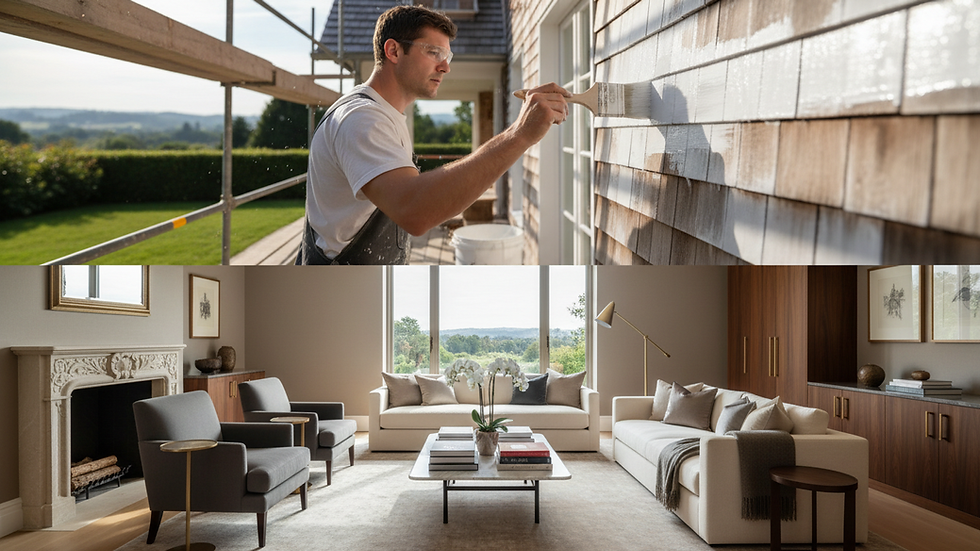
Surface Preparation: This is the foundation of a long-lasting paint job. Clean the surfaces thoroughly to remove dirt, mildew, and old peeling paint. Sand rough spots and repair any damage like cracks or holes.
Primer Application: Using a primer helps the paint adhere better and provides an even base. It also seals porous surfaces, preventing uneven absorption.
Quality Paint: Invest in high-quality exterior paint designed for your climate. Look for paints with UV protection and mildew resistance.
Proper Tools and Techniques: Use brushes, rollers, or sprayers suited for the surface type. Apply paint evenly and in the right conditions—avoid painting in direct sunlight or when rain is expected.
By following these steps, you ensure your paint job lasts longer and looks better.
How to Maximize the Benefits of Exterior Painting
Painting your home’s exterior is a big project, but the payoff is worth it. Here are some tips to get the most out of your investment:
Pick Colors Wisely
Choose colors that complement your home’s style and neighborhood. Lighter colors reflect heat and can help keep your home cooler, while darker shades add drama and depth.
Schedule Regular Maintenance
Inspect your paint every few years. Touch up chips and cracks promptly to prevent bigger problems.
Consider Professional Help
While DIY painting can save money, professionals bring experience and efficiency. They know how to handle tricky spots and ensure a flawless finish.
Protect Surrounding Areas
Cover plants, walkways, and windows to avoid accidental splatters. This keeps your yard and home looking neat.
Use Eco-Friendly Products
Opt for low-VOC or zero-VOC paints to reduce environmental impact and improve air quality around your home.
If you want to explore trusted exterior home painting services in your area, it’s a great way to guarantee quality and peace of mind.

Signs It’s Time to Repaint Your Home’s Exterior
Knowing when to repaint can save you from costly repairs. Here are some clear signs that your home needs a fresh coat:
Peeling or Cracking Paint: This indicates the paint is no longer protecting the surface.
Faded or Dull Color: Sun exposure can bleach colors over time.
Visible Mold or Mildew: These can damage wood and other materials.
Water Damage or Rot: Paint failure often leads to moisture problems.
Chalking: A powdery residue on the surface means the paint is breaking down.
If you notice any of these, it’s time to plan your next exterior painting project. Acting early helps maintain your home’s integrity and appearance.
Beyond Beauty: The Protective Power of Paint
Painting your home’s exterior is an investment in its future. It’s not just about looking good today but preventing damage tomorrow. Paint seals out moisture, deters pests, and reduces the effects of harsh weather. It also helps regulate temperature by reflecting sunlight, which can lower energy bills.
When you think about the cost of repairs from water damage or wood rot, painting becomes a cost-effective solution. Plus, a well-maintained exterior increases your home’s market value and appeal.
Taking care of your home’s exterior with regular painting is a simple way to protect your biggest investment. It’s a project that pays off in comfort, savings, and pride.
I hope this guide helps you see the value in exterior house painting. Whether you’re tackling it yourself or hiring professionals, the right approach will protect and beautify your home for years to come. Don’t wait for problems to show up—start planning your exterior painting project today!

Comments